
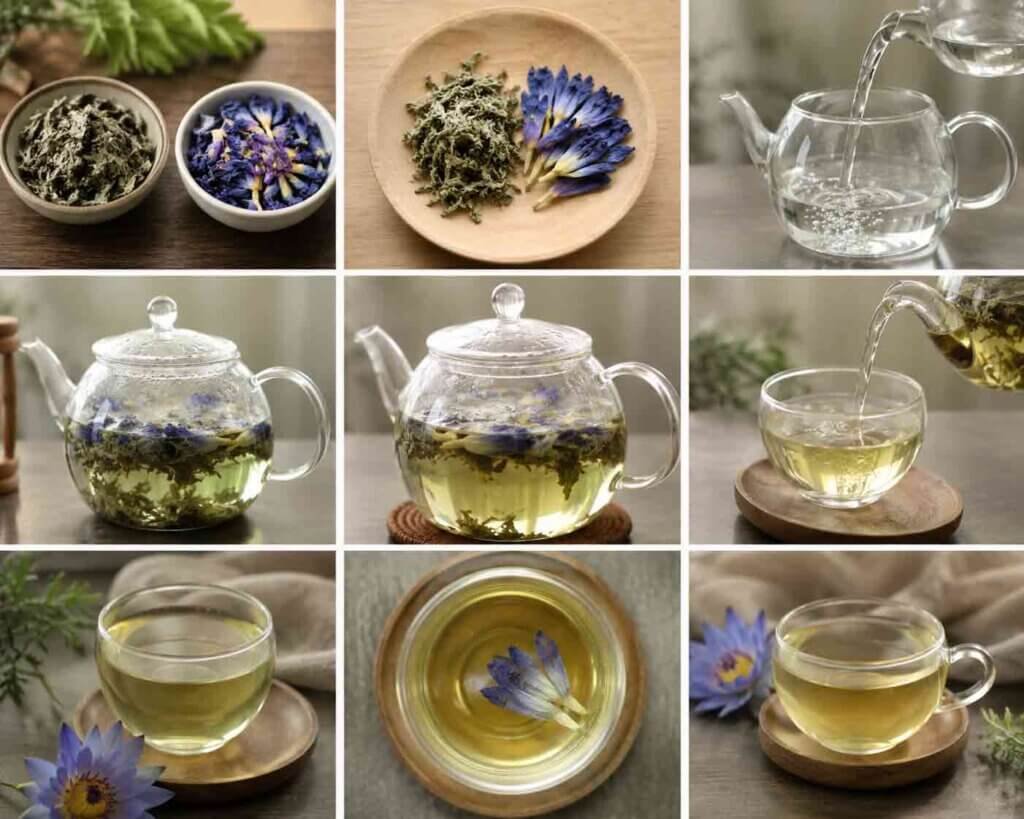
Have you ever been curious about herbal teas that go beyond the ordinary chamomile or green tea experience, then mugwort and blue lotus tea is something you absolutely need to try. This ancient, aromatic blend has been used for centuries across different cultures, from traditional Chinese herbalism to the sacred rituals of ancient Egypt. Today, more and more people are rediscovering the calming, dream-enhancing, and spiritually grounding properties of this remarkable herbal combination. And the best part? You can easily brew it right at home with just a few simple ingredients and tools.
In this detailed guide, you will learn exactly how to brew mugwort and blue lotus tea at home, what ingredients to use, how much of each herb to add, what the ideal water temperature is, and how to get the most flavor and benefit out of every single cup. Whether you are a seasoned herbal tea enthusiast or a complete beginner, this guide walks you through everything you need to know.
What Is Mugwort Tea?
Mugwort (Artemisia vulgaris) is one of the most widely recognized herbs in traditional medicine. It has a slightly bitter, earthy taste with subtle hints of sage and mint. Historically, mugwort has been used to support digestion, ease menstrual discomfort, promote relaxation, and most famously, enhance the vividness of dreams. Many people who practice lucid dreaming turn to mugwort as a natural aid because of its long-standing reputation as a dream herb.
Mugwort contains compounds like thujone, camphor, and various flavonoids that contribute to its aromatic profile and therapeutic reputation. When brewed correctly, it produces a warm, slightly bitter cup that pairs beautifully with the floral sweetness of blue lotus.
What Is Blue Lotus Tea?
Blue lotus (Nymphaea caerulea) is an aquatic plant native to Egypt and parts of East Africa that holds an almost mythological status in ancient history. The ancient Egyptians considered it sacred, often using it in religious ceremonies and as a symbol of the sun and creation. Blue lotus contains nuciferine and aporphine, two naturally occurring alkaloids that are known for their gentle calming and mildly euphoric effects.
When brewed as a tea, blue lotus offers a delicate floral flavor that is sweet, slightly earthy, and quite pleasant on its own. It promotes a sense of relaxation, mental clarity, and a soft uplifting feeling without any harsh sedative effects. Combined with mugwort, it creates a tea experience that is deeply calming yet subtly dreamlike.
Why Brew Mugwort and Blue Lotus Tea Together?
The combination of mugwort and blue lotus is more than just a tasty herbal drink. These two herbs complement each other in a truly synergistic way. Mugwort brings its earthy, slightly bitter depth and its dream-enhancing reputation, while blue lotus adds floral sweetness and a calming, mood-lifting quality. Together, they create a well-rounded cup that is soothing to the body, relaxing to the mind, and subtly stimulating to the imagination.
Many people choose to drink this tea blend in the evening before bed to encourage relaxed sleep and vivid dreaming. Others enjoy it during meditation or creative sessions as a way to enter a softer, more intuitive mental state. Whatever your reason for brewing it, you are working with two herbs that have stood the test of time and carry a rich cultural legacy behind them.
Ingredients You Need to Brew Mugwort and Blue Lotus Tea
Before you begin brewing, it is important to gather the right ingredients. Quality matters a great deal with herbal teas, so always aim to source dried organic herbs from reputable suppliers.
Dried Mugwort
You will want to use dried mugwort leaves for this recipe. Fresh mugwort can also work if you have access to it, but dried mugwort is more commonly available and has a more concentrated flavor. Look for mugwort that is cleanly dried, green to grayish-green in color, and has a noticeable herbal aroma.
Dried Blue Lotus Flowers or Petals
Blue lotus is typically sold as dried whole flowers, petals, or stamens. Any of these forms will work for tea. The dried petals or stamens tend to release their flavor and compounds most efficiently when steeped in hot water. Make sure you are purchasing Nymphaea caerulea specifically, as there are other lotus varieties that do not carry the same properties.
Optional Add-Ins for Flavor
While the base recipe of mugwort and blue lotus is wonderful on its own, you can enhance the flavor profile with a few optional additions. Raw honey adds a natural sweetness that balances the bitterness of mugwort. A slice of fresh ginger can add warmth and depth. A small piece of cinnamon stick brings a cozy, spiced note to the cup. A squeeze of lemon juice brightens the overall flavor and also helps with extraction of certain plant compounds.
Equipment You Will Need
You do not need any specialized equipment to brew this tea at home. Here is what you should have on hand before you start.
A Kettle or Saucepan
A standard kitchen kettle works perfectly for heating your water. If you prefer more control over temperature, a variable temperature kettle is an excellent investment for any herbal tea enthusiast. Alternatively, a small saucepan on the stovetop works just as well.
A Tea Strainer or Infuser
Because you are working with loose dried herbs, you will need something to contain them and strain them out of your tea. A fine mesh tea strainer, a reusable tea infuser basket, or even a small piece of cheesecloth tied with kitchen twine will do the job effectively.
A Mug or Teapot
Choose a mug or teapot that you enjoy drinking from. The ritual of preparing and drinking herbal tea is part of the experience, so use something that feels intentional and beautiful to you.
How to Brew Mugwort and Blue Lotus Tea: Step-by-Step
This is the core of this guide, the actual process of brewing a perfect cup of mugwort and blue lotus tea at home. Follow these steps carefully and you will have a beautifully aromatic, well-balanced cup every single time.
Step 1: Measure Your Herbs
For a standard single-serving cup of tea (approximately 8 to 10 ounces of water), you will need the following amounts. Use 1 teaspoon of dried mugwort and 1 teaspoon of dried blue lotus petals or stamens. This ratio creates a balanced cup where neither herb overpowers the other. If you prefer a stronger mugwort flavor, you can increase the mugwort to 1.5 teaspoons. If you prefer a more floral, lighter cup, you can reduce the mugwort slightly and increase the blue lotus.
Step 2: Heat Your Water to the Right Temperature
This is one of the most important and often overlooked steps when brewing herbal teas. Do not use boiling water if you can help it. Water that is too hot can destroy some of the more delicate aromatic compounds in both mugwort and blue lotus, leading to a harsher, more bitter taste.
The ideal water temperature for brewing mugwort and blue lotus tea is between 85 degrees Celsius and 95 degrees Celsius (185 to 203 degrees Fahrenheit). If you do not have a thermometer, simply bring your water to a full boil and then let it sit off the heat for about 2 to 3 minutes before pouring. This simple trick will bring it down to the ideal temperature range.
Step 3: Combine the Herbs in Your Infuser
Place your measured mugwort and blue lotus into your tea infuser or strainer. If you are adding any optional ingredients like ginger or cinnamon, add them now as well. Make sure the herbs are loosely packed so that the hot water can circulate around them freely. This is important for proper extraction of flavor and beneficial compounds.
Step 4: Pour the Hot Water Over the Herbs
Slowly pour your heated water over the herbs in the infuser, making sure to saturate all of the plant material evenly. If you are using a teapot, pour the water in and then lower the infuser into it.
Step 5: Steep for the Right Amount of Time
Steep your mugwort and blue lotus tea for 7 to 10 minutes. This is longer than you might steep a standard green or white tea, but herbal teas generally require more time to fully release their compounds into the water. For a more intense, deeper flavor, you can steep for up to 15 minutes. For a lighter, more delicate cup, 5 to 7 minutes is sufficient.
During steeping, cover your mug or teapot with a small lid, plate, or even a piece of cloth. This keeps the aromatic essential oils from evaporating along with the steam, preserving more of the flavor and aroma in your cup.
Step 6: Remove the Infuser and Sweeten if Desired
Once steeping is complete, remove your infuser and give the tea a gentle stir. At this point, your tea should be a warm golden-brown to amber color with a beautiful herbal and floral aroma. If you prefer a sweeter cup, add a teaspoon of raw honey and stir until dissolved. Avoid adding regular refined sugar as it can mask the more subtle flavor notes of the blue lotus.
Step 7: Sip Slowly and Mindfully
There is no rushing a cup of mugwort and blue lotus tea. This is a beverage meant to be savored slowly, ideally in a quiet, comfortable setting. Many people choose to drink it in the evening about 30 to 45 minutes before bed. Others enjoy it during meditation, journaling, or any creative practice they want to bring a softer, more open-minded energy to.
How Much Should You Drink?
For most adults, one to two cups per day is a reasonable amount. Because mugwort contains thujone, it is best enjoyed in moderation rather than consumed in large quantities on a daily basis. If you are new to mugwort, start with one cup and pay attention to how your body responds before increasing the amount.
Blue lotus, on the other hand, is generally considered very mild and well tolerated. It is the mugwort component that calls for a bit more mindfulness around frequency and quantity.
Who Should Avoid Mugwort and Blue Lotus Tea?
While this herbal tea is enjoyed safely by many people, there are certain groups who should exercise caution or avoid it altogether.
Pregnant Women
Mugwort should not be consumed during pregnancy. It has been used historically as an emmenagogue, meaning it can stimulate uterine contractions. Anyone who is pregnant or trying to conceive should avoid mugwort tea entirely.
People with Ragweed Allergies
Mugwort belongs to the same plant family as ragweed, so individuals who have known ragweed allergies may experience an allergic reaction to mugwort. Always start with a very small amount if you are unsure about your sensitivity.
People Taking Medications
If you are currently taking any prescription medications, especially sedatives, anticoagulants, or medications for anxiety and depression, speak with a healthcare provider before adding mugwort or blue lotus tea to your routine. Both herbs can interact with certain medications.
Tips for Getting the Best Flavor Out of Every Cup
Getting the most out of your mugwort and blue lotus tea is partly about technique and partly about using quality ingredients. Here are a few tips that experienced herbal tea drinkers swear by.
Always store your dried herbs in airtight containers away from light and heat. Herbs degrade quickly when exposed to air and sunlight, and stale herbs produce flat, less flavorful tea. A dark glass jar with a tight lid is ideal.
If you find the flavor of mugwort too bitter on its own, try increasing the ratio of blue lotus to mugwort slightly. The floral sweetness of blue lotus naturally offsets the earthier, more astringent notes of mugwort.
Experiment with cold brew preparation for a summertime variation. Simply combine your herbs with cold filtered water and let them steep in the refrigerator for 8 to 12 hours. Cold brewing produces a smoother, less bitter cup with a clean, refreshing finish.
Where to Buy Quality Mugwort and Blue Lotus
Sourcing good quality herbs is essential. Look for suppliers who specialize in organic or wildcrafted herbs. Online herbal shops, health food stores, and specialty apothecaries are all good places to start. When buying blue lotus specifically, look for Nymphaea caerulea and not blue water lily varieties that are sometimes sold under similar names. Reading product reviews and checking for third-party testing can help ensure you are getting a pure, high-quality product.
The Ritual of Herbal Tea Brewing
There is something deeply grounding about the ritual of brewing herbal tea. When you take the time to measure your herbs, heat your water mindfully, and watch the color of the tea slowly deepen as it steeps, you are participating in an ancient human practice that connects you to generations of people who turned to plants for comfort, healing, and ceremony. Mugwort and blue lotus tea, in particular, carries a sense of sacredness that makes the brewing process itself feel intentional and meaningful.
Whether you approach this tea from a wellness perspective, a spiritual one, or simply because you enjoy exploring unusual and beautiful flavors, brewing it at home is an experience that rewards patience and presence.
Conclusion
Brewing mugwort and blue lotus tea at home is a deeply rewarding and relatively simple process. With just two high-quality dried herbs, clean hot water, and a few minutes of patience, you can create a cup of tea that is genuinely unlike anything you find in a standard grocery store tea aisle. The earthy, herbal warmth of mugwort and the soft floral elegance of blue lotus come together in a blend that soothes the nervous system, quiets a busy mind, and opens the door to a more relaxed, dreamlike state of being.
Start with the basic recipe outlined in this guide, using one teaspoon each of dried mugwort and dried blue lotus per cup, steeped in water between 85 and 95 degrees Celsius for 7 to 10 minutes. From there, feel free to experiment with ratios, optional add-ins, and steeping times until you find the perfect cup for your own unique taste and intention. And always remember to drink mindfully, source your herbs from reputable suppliers, and check with a healthcare provider if you have any underlying health conditions or are taking medications. Happy brewing.
Frequently Asked Questions
1. Can I drink mugwort and blue lotus tea every day?
It is best to limit consumption to one or two cups per day. Because mugwort contains thujone, drinking it in moderation is recommended. Blue lotus is generally very mild, but daily mugwort intake should still be kept reasonable.
2. Does mugwort and blue lotus tea make you hallucinate?
No, this tea does not cause hallucinations. It promotes a gentle sense of calm and relaxation and may enhance dream vividness during sleep, but it does not produce any psychedelic or hallucinogenic effects.
3. Can I use fresh mugwort instead of dried?
Yes, fresh mugwort works but you will need to use a larger amount, roughly two to three teaspoons, since fresh herbs have a higher water content and a less concentrated flavor than dried ones.
4. How long does it take for mugwort and blue lotus tea to work?
Most people begin to notice a gentle calming effect within 20 to 30 minutes of drinking the tea. Dream-enhancing effects, if any, are typically noticed after falling asleep following an evening cup.
5. Where can I buy blue lotus and mugwort for tea?
Both herbs are widely available through online herbal retailers, health food stores, and apothecaries. Always look for organic or wildcrafted options and confirm that blue lotus is listed as Nymphaea caerulea on the product label.