
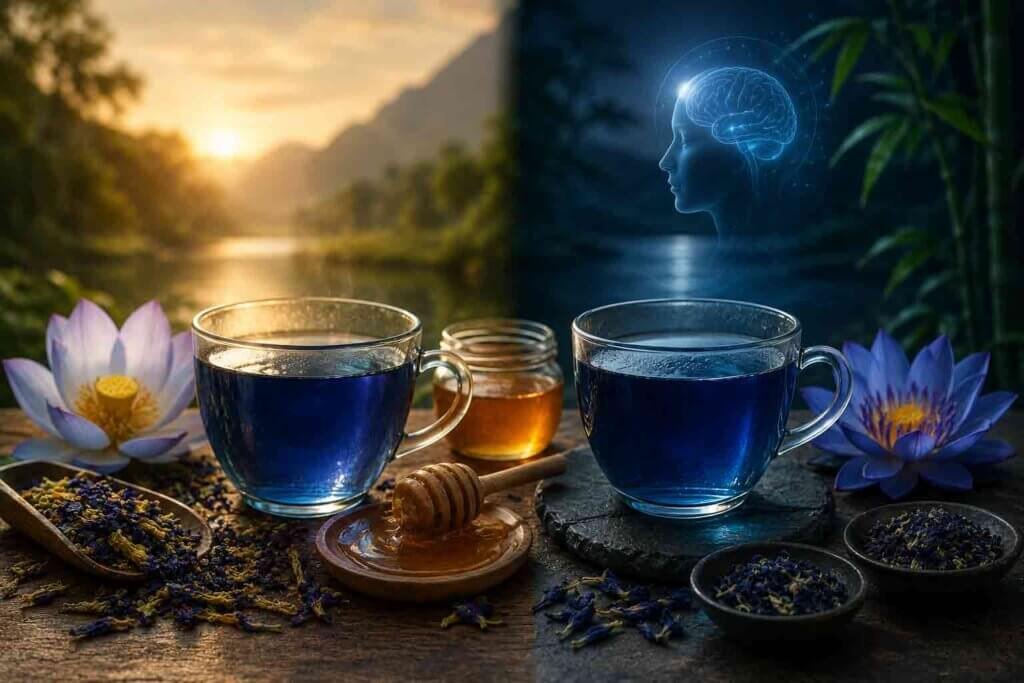
Blue lotus tea has been quietly making its way into the wellness world, drawing people in with its calming properties, dreamy floral scent, and centuries-old history rooted in ancient Egyptian and Asian traditions. But one question keeps coming up among enthusiasts and first-timers alike: does drinking blue lotus tea with honey actually change the experience beyond just making it sweeter? The short answer is yes, and the reasons behind it are more interesting than you might think.
What Is Blue Lotus Tea and Why Are People Drinking It?
Blue lotus tea is made from the dried flowers or petals of Nymphaea caerulea, a water lily native to Egypt and parts of East Africa and Asia. It has been used for thousands of years as a mild relaxant, mood enhancer, and even a sleep aid. The active compounds most associated with its effects are nuciferine and aporphine, both of which interact with dopamine receptors in the brain in a gentle, non-overwhelming way.
People drink it today for a variety of reasons: some want to wind down after a stressful day, others are curious about its mildly euphoric properties, and a growing number are using it as part of their lucid dreaming or meditation practices. It has a naturally earthy, slightly floral, and mildly bitter flavor profile that some enjoy on its own while others find a little too raw without something to soften it.
The Case for Drinking Blue Lotus Tea Without Honey
Drinking blue lotus tea in its plain, unsweetened form is the most traditional method. When you let the tea steep without any additions, you are getting the full and unaltered expression of its natural compounds. The bitterness that you taste is largely due to alkaloids and tannins, and those same compounds are part of what makes the tea therapeutically interesting.
Preserving the Full Alkaloid Profile
One of the strongest arguments for drinking blue lotus tea without honey is that you avoid any potential interference with how your body absorbs the active compounds. Hot water extraction pulls nuciferine and aporphine from the petals, and consuming the tea in its pure form means nothing is competing with those compounds at the point of digestion. Some herbal tea enthusiasts believe that adding sweeteners, especially processed ones, can slightly blunt the absorption of delicate plant alkaloids, though this effect is subtle with natural sweeteners like raw honey.
A Cleaner Sensory Experience
There is also something to be said for the sensory authenticity of plain blue lotus tea. When you drink it without sweetener, you train your palate to appreciate its natural floral depth. Many people who start out finding it too bitter come to love it over time. The earthy and slightly aquatic notes are more pronounced, and the aftertaste has a kind of clean, gentle warmth that is genuinely pleasant once you get used to it.
Ideal for Meditation and Sleep Rituals
If you are using blue lotus tea specifically as a pre-sleep or meditation aid, drinking it plain may actually serve that purpose better. You avoid the slight blood sugar response that even natural sweeteners like honey can trigger, which some people find counterproductive when they are trying to calm the nervous system and prepare for rest or deep focus.
What Happens When You Add Honey to Blue Lotus Tea?
Now here is where things get more layered. Adding honey to blue lotus tea is not just a flavor decision. Honey, especially raw unfiltered honey, is itself a bioactive substance loaded with enzymes, antioxidants, trace minerals, and antimicrobial compounds. When the two come together, you are essentially combining two functional ingredients.
Honey as a Bioactive Companion
Raw honey contains compounds like flavonoids, phenolic acids, and hydrogen peroxide precursors that have their own antioxidant and anti-inflammatory properties. When you stir it into warm (not boiling) blue lotus tea, those compounds remain largely intact because you are not heating the honey to a temperature that would degrade them. The result is a cup that has a notably richer therapeutic profile than either ingredient alone.
This is not just theoretical either. Honey has traditionally been used in herbal medicine as a vehicle or carrier for botanical preparations precisely because it can help certain compounds travel more effectively through the digestive system. Whether this effect is significant with blue lotus specifically has not been studied in rigorous clinical trials, but the traditional reasoning is sound.
Does Honey Change the Taste Beyond Sweetness?
Absolutely yes. And this is one of the more surprising things people notice. Good quality raw honey, especially something floral like wildflower or acacia honey, does not just add sweetness. It adds complexity. The natural floral notes in the honey harmonize with the floral character of blue lotus in a way that feels almost designed. The bitterness gets softened, yes, but what replaces it is not a flat sugary note. It is something warmer, rounder, and more aromatic.
Darker honeys like buckwheat honey add a malty, almost molasses-like depth that some people find pairs beautifully with the earthier aspects of blue lotus. Light honeys keep things delicate. So the choice of honey itself becomes part of the experience.
Honey and Relaxation: A Complementary Effect
There is one more dimension worth discussing: honey has been shown in some research to support serotonin release and melatonin production when consumed before sleep. This happens because honey provides a small, steady glucose source that helps tryptophan cross the blood-brain barrier. Blue lotus tea, on the other hand, works primarily through dopamine pathways. So when you combine the two, you may actually be covering more neurochemical ground than either one alone, making the combination particularly well-suited as a pre-sleep ritual.
Blue Lotus Tea With Honey vs. Without: A Direct Comparison
Taste and Sensory Profile
Without honey, blue lotus tea is earthy, floral, and mildly bitter with a subtle warmth on the back of the throat. It is an acquired taste for many people. With honey, especially raw floral varieties, the experience shifts dramatically. The bitterness recedes, the floral notes bloom, and the overall cup becomes something most people would describe as genuinely enjoyable from the very first sip.
Therapeutic Depth
Without honey, you get the clean and direct benefits of blue lotus alkaloids: mild relaxation, a subtle mood lift, and for many people, more vivid and memorable dreams. With honey, you add antioxidant support, digestive comfort, and that complementary effect on sleep-regulating neurochemistry. The combination is not just additive; there is a genuine synergy between the two.
Who Should Drink It Without Honey
Plain blue lotus tea is ideal for people who are fasting intermittently, managing blood sugar carefully, doing dedicated meditation work, or simply want to understand the true flavor and effect of the plant on its own terms. It is also the better choice if you are planning to drink it later in the day during hot weather when you want something lighter.
Who Should Drink It With Honey
Honey-sweetened blue lotus tea is a great choice for evening rituals, sleep support, first-time drinkers, or anyone who finds the plain version too bitter to enjoy consistently. It is also a natural fit for people who are already incorporating raw honey into their wellness routine and want to get more out of each cup.
How to Make Blue Lotus Tea: With and Without Honey
The Basic Preparation Method
Start with one to two grams of dried blue lotus petals per cup of water. Heat your water to around 90 to 95 degrees Celsius, just below a rolling boil. Pour it over the petals and let them steep for five to ten minutes depending on how strong you want the flavor and effect. A longer steep brings out more bitterness and more alkaloids. A shorter steep is lighter and more delicate.
Adding Honey the Right Way
If you are going the honey route, wait until the tea has cooled slightly to around 60 to 70 degrees Celsius before stirring in your honey. This preserves the enzymes and other heat-sensitive compounds in raw honey that would otherwise degrade in boiling water. Use one teaspoon to one tablespoon depending on your preference. Stir gently until fully dissolved and enjoy.
Does the Type of Honey Matter?
Yes, it does, and it is worth taking a moment to think about this. Not all honey is created equal. Processed commercial honey has been filtered and heated to the point where most of the beneficial enzymes and antioxidants are gone. You are essentially just adding sugar water. If you are going to add honey to your blue lotus tea and want more than just sweetness, reach for raw unfiltered honey from a reputable local or artisan source.
Best Honey Varieties for Blue Lotus Tea
Acacia honey is light, almost water-clear, and has a delicate floral sweetness that complements blue lotus without overpowering it. Wildflower honey varies by region but tends to have a beautifully complex character that pairs naturally with floral teas. Manuka honey brings its own medicinal reputation to the table and has a strong, slightly medicinal flavor that works better for people who want maximum therapeutic impact over taste harmony. Buckwheat honey is bold and assertive and is best suited for those who enjoy a more robust and complex cup.
Common Questions About Blue Lotus Tea and Honey
Does Honey Reduce the Effects of Blue Lotus Tea?
There is no credible evidence that honey reduces the psychoactive or relaxing effects of blue lotus tea in any meaningful way. The alkaloids responsible for those effects are not particularly sensitive to the presence of simple sugars or honey compounds at the amounts typically used.
Can You Add Other Sweeteners Instead?
You can, but results vary. Maple syrup adds a pleasant caramel note. Coconut sugar is earthy and works well with the grounded character of the tea. Stevia keeps things calorie-free but can introduce a slightly synthetic aftertaste that clashes with the delicate floral quality of blue lotus. Plain white sugar works but adds nothing beyond sweetness and is the least interesting option from a wellness perspective.
Is Blue Lotus Tea Safe to Drink Daily?
For most healthy adults, yes, blue lotus tea is considered safe for regular use in moderate amounts. It is not addictive, does not cause significant side effects at typical serving sizes, and has a long history of traditional use. That said, it is always wise to consult a healthcare provider if you are pregnant, breastfeeding, or taking medications that affect dopamine or serotonin systems.
The Ritual of Blue Lotus Tea: More Than Just a Drink
Whether you drink it plain or sweetened with honey, blue lotus tea invites a certain kind of intentionality. It is not a quick caffeine hit you gulp down on the go. It is something you make slowly, sip mindfully, and allow to work in its own gentle way. Adding honey turns it into something even more ceremonial, a small act of care for yourself at the end of a long day or the beginning of a quiet morning.
The combination of blue lotus and honey reflects something that traditional herbal medicine has always understood: that plants work best when they are respected, combined thoughtfully, and consumed with awareness rather than urgency.
Conclusion
So does sweetener change more than just the taste when you add honey to blue lotus tea? Absolutely. The difference between drinking blue lotus tea plain versus with raw honey touches on flavor complexity, therapeutic depth, neurochemical reach, and the overall ritual quality of the experience. Neither version is objectively better. They simply serve different purposes and suit different people. If you want the most direct and unaltered experience of what blue lotus has to offer, drink it plain. If you want a fuller, more enjoyable, and potentially more well-rounded cup that supports both mood and sleep, reach for a good raw honey. Either way, you are engaging with one of the oldest and most quietly powerful herbal traditions in human history, and that alone makes every cup worth savoring.
Frequently Asked Questions
1. Does adding honey to blue lotus tea make it more effective?
Not necessarily more effective, but it can make the experience more well-rounded. Raw honey adds its own antioxidants and may support sleep through serotonin pathways, complementing blue lotus’s dopamine-related relaxation effects.
2. What is the best honey to use with blue lotus tea?
Raw unfiltered honey is always the best choice. Acacia honey works beautifully for a light floral cup, while wildflower honey adds natural complexity. Avoid processed commercial honey as it offers little beyond plain sweetness.
3. Will honey reduce the calming effects of blue lotus tea?
No. There is no evidence that honey interferes with the active alkaloids in blue lotus tea, specifically nuciferine and aporphine, in any way that would noticeably reduce its relaxing or mood-lifting properties.
4. At what temperature should I add honey to my blue lotus tea?
Always let the tea cool to around 60 to 70 degrees Celsius before stirring in honey. Adding it to boiling water destroys the beneficial enzymes and antioxidants that make raw honey therapeutically valuable in the first place.
5. Can I drink blue lotus tea with honey every day?
Yes, for most healthy adults this is considered safe in moderate amounts. However, if you are pregnant, breastfeeding, or on medications that affect dopamine or serotonin, it is best to consult your doctor before making it a daily habit.