
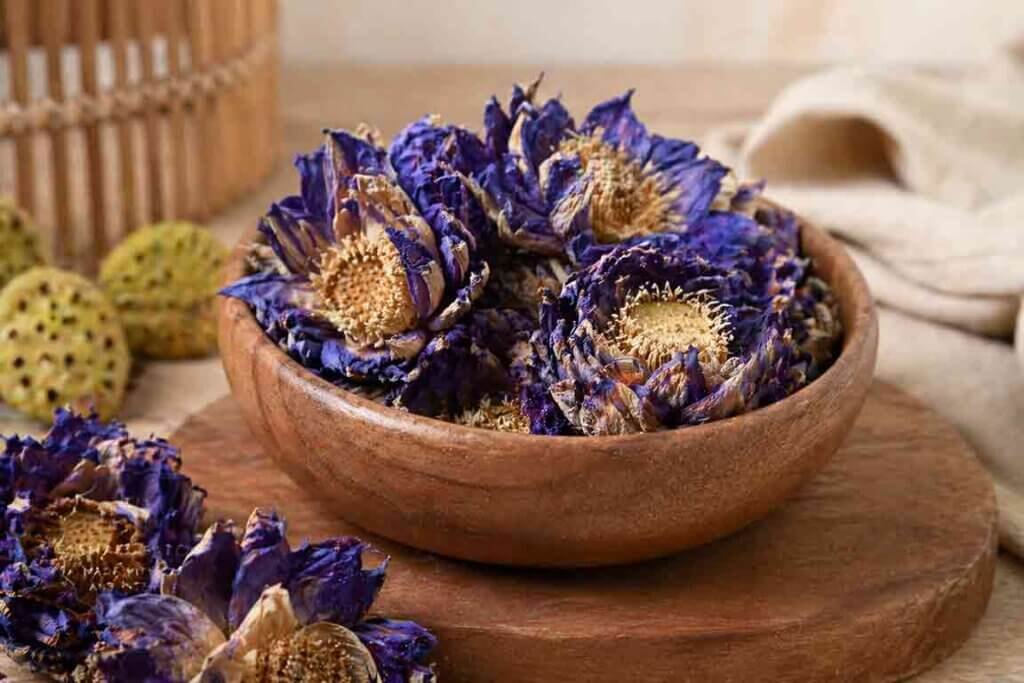
Blue Lotus has made a serious comeback in the wellness and herbal community over the last few years. People are drawn to it for its calming, mildly euphoric properties, its rich history in ancient Egyptian culture, and its growing reputation as a natural sleep and anxiety aid. But as demand grows, so does the flood of unverified sellers trying to cash in on the trend. If you have been searching online for Blue Lotus flowers, extract, or resin, you have probably already noticed that the market is absolutely packed with options, and not all of them are trustworthy.
The problem is real, it is growing, and it directly affects your safety. This article breaks down everything you need to know about the risks of buying Blue Lotus from random online sellers, how to spot red flags, and what steps you can take to make sure you are getting a genuine, safe, high-quality product every single time.
What Is Blue Lotus and Why Is It So Popular Right Now?
Blue Lotus (Nymphaea caerulea) is an aquatic plant native to Egypt and parts of East Africa. It was considered sacred by the ancient Egyptians and was frequently depicted in art and religious ceremonies. The plant contains two primary active compounds, apomorphine and nuciferine, which interact with dopamine receptors and produce mild psychoactive effects including relaxation, vivid dreaming, and a gentle sense of euphoria.
Today, people use Blue Lotus in several forms. Dried flowers are steeped into tea or soaked in wine. Resin and extract are used in aromatherapy, smoking blends, and tinctures. The increasing popularity of natural wellness alternatives has pushed Blue Lotus into the mainstream, and with that popularity comes a marketplace that is unfortunately full of shortcuts and outright fraud.
The Core Problem: An Unregulated Market With Zero Accountability
Here is the uncomfortable truth. Blue Lotus is not regulated the same way pharmaceutical products or even many food products are. In most countries, it exists in a legal gray area that gives sellers enormous freedom to label, package, and sell their products however they like. There is no governing body checking whether that jar of Blue Lotus extract actually contains what the label says. No third-party inspection is required before a seller can list their product on a major e-commerce platform.
This lack of oversight creates the perfect environment for dishonest sellers to thrive. When anyone with a supplier account and a label printer can become a “Blue Lotus vendor,” the consumer is the one who pays the price.
Why Random Online Sellers Are Particularly Dangerous
When you buy Blue Lotus from a random seller on a general marketplace platform, you are essentially trusting a complete stranger with your health. That seller may have sourced their product from the cheapest bulk supplier available, with no idea where the plant was actually grown, how it was harvested, or what pesticides or contaminants might be present. They may have never even opened the bag before repackaging it under their own brand name.
The problem goes deeper than just quality. Some sellers knowingly mislabel their products, selling entirely different plant species as Blue Lotus because the dried flowers look similar. Others dilute genuine Blue Lotus with filler material to cut costs while maintaining profit margins. Some use extraction processes that degrade the active compounds, leaving you with an expensive product that does nothing at all.
Common Scams and Misleading Practices in the Blue Lotus Market
Fake or Adulterated Products
One of the most widespread issues is straight up adulteration. A seller might list “100% pure Blue Lotus flowers,” but what arrives at your door is a blend of similar-looking dried flowers with only a fraction of actual Nymphaea caerulea in the mix. Without lab testing, there is no way to know by looking at or even smelling the product.
Adulteration is not always accidental. Some suppliers do it intentionally to stretch their inventory. The buyer has no way to know unless they send the product to a lab, which most people obviously do not do.
Misleading Potency Claims
Another major red flag is exaggerated potency claims. You will see sellers advertising things like “10x concentrated extract” or “ultra-premium ceremonial grade” without any explanation of what those terms actually mean or how they were measured. These phrases are marketing language with no standardized definition. A “10x extract” from one seller might be completely different in composition and effect from another seller’s “10x extract.”
When a vendor cannot explain their extraction ratio, cannot provide a Certificate of Analysis, and cannot tell you how potency was determined, those claims are meaningless.
Incorrect Botanical Species
This is one of the more deceptive practices out there. Nymphaea caerulea is the true Blue Lotus. However, there are other lotus and water lily species that look similar and are far cheaper to source. Some sellers knowingly or unknowingly sell Nymphaea alba or other related species as Blue Lotus. These plants do not contain the same active compounds and will not produce the same effects.
If a seller cannot tell you the exact botanical species and variety of the plant they are selling, that is a serious problem.
Health and Safety Risks of Low Quality Blue Lotus Products
Pesticide and Heavy Metal Contamination
Plants grown in uncontrolled agricultural environments, particularly in regions with lax pesticide regulations, can carry significant chemical residues. Blue Lotus is an aquatic plant, which means it is especially vulnerable to absorbing heavy metals and pollutants from the water it grows in. If a seller is sourcing from cheap, unverified growers in regions with no agricultural oversight, the product could contain lead, arsenic, mercury, or other dangerous compounds.
This is not a theoretical risk. It is a documented problem across the broader herbal supplement industry, and Blue Lotus is no exception.
Mold and Microbial Contamination
Improperly dried or stored botanical products are highly susceptible to mold growth. Dried flowers, in particular, need to be processed and stored under specific humidity and temperature conditions. A seller who is just repackaging bulk herbs with no climate-controlled storage is likely selling you product that may contain mold spores or bacterial contamination. Consuming moldy plant material, whether in tea or otherwise, can cause serious respiratory and gastrointestinal issues.
Unknown Interactions With Medications
Blue Lotus contains compounds that affect dopamine receptor activity. This means it can potentially interact with certain medications, particularly antidepressants, antipsychotics, and other drugs that influence dopamine or serotonin systems. If a product is mislabeled and you do not actually know what you are consuming, you cannot make an informed decision about potential drug interactions. This is especially dangerous for people on prescription medications.
How to Identify a Trustworthy Blue Lotus Seller
Look for Third-Party Lab Testing and Certificates of Analysis
The single most important indicator of a legitimate Blue Lotus vendor is transparent third-party lab testing. A reputable seller will have their products tested by an independent laboratory and make those Certificates of Analysis (COA) available to customers either on their website or upon request. A COA should confirm the botanical identity of the plant, the concentration of active compounds, and the absence of pesticides, heavy metals, and microbial contaminants.
If a seller does not offer lab results, that is a significant red flag. Do not let polished packaging or a professional-looking website substitute for actual proof of quality.
Check for Clear Sourcing Information
A trustworthy vendor will be transparent about where their Blue Lotus comes from. They should be able to tell you the country of origin, ideally the specific region, and something about the growing conditions. Organic or sustainably farmed Blue Lotus is generally preferable, and reputable sellers will proudly highlight that information because it adds value to their product.
Vague phrases like “sourced from premium farms” or “ethically wildcrafted” without any specifics are not adequate sourcing information. Push for details, and if a seller cannot or will not provide them, look elsewhere.
Read Customer Reviews Critically
Customer reviews can be helpful, but they need to be read with a skeptical eye. Look for reviews that describe specific effects, discuss the quality of the product, or mention repeat purchases. Be cautious of sellers with an overwhelming number of generic five-star reviews that say things like “great product, fast shipping” without any detail. These can be manufactured reviews.
Pay particular attention to negative reviews and how the seller responds to them. A company that dismisses complaints, deflects responsibility, or bans negative reviewers is not a company that takes product quality seriously.
Verify the Botanical Name on the Label
Any legitimate Blue Lotus product should clearly state Nymphaea caerulea on the label. If the label only says “Blue Lotus” without the Latin botanical name, that is not a good sign. Reputable botanical product companies always include the full scientific name because it is the only way to confirm exactly what species you are purchasing.
Questions to Ask Before You Buy Blue Lotus Online
Before handing over your money to any online Blue Lotus seller, there are several questions worth asking directly. First, can they provide a Certificate of Analysis from an independent lab? Second, what is the exact botanical species being sold? Third, where is the product grown and under what conditions? Fourth, how is the product processed and stored? Fifth, what is their return or refund policy if you are not satisfied?
A seller who answers these questions confidently and transparently is far more likely to be operating with integrity than one who gives vague, evasive, or scripted answers. Do not be afraid to reach out and ask before buying. The extra few minutes of due diligence can save you from wasting money on a useless product or, worse, consuming something that harms you.
Red Flags That Should Make You Walk Away Immediately
Prices that seem too good to be true are almost always a signal of compromised quality. Genuine, high-quality Blue Lotus is not cheap to grow, harvest, dry, and process responsibly. If a seller is pricing their product dramatically below the market average, something is being cut somewhere.
Watch out for sellers who make extravagant health claims. In many countries, it is actually illegal to make specific medicinal claims about herbal products without clinical evidence. A seller who promises that their Blue Lotus will “cure anxiety,” “treat insomnia,” or “heal your nervous system” is either operating outside the law or simply lying to you.
Be cautious of listings with no contact information, no physical address, and no visible customer service channel beyond a generic inquiry form. Legitimate businesses stand behind their products and make it easy for customers to reach them.
How to Store Blue Lotus Properly Once You Have a Quality Product
Once you have found a reputable seller and received your product, proper storage is essential to maintain its quality. Dried Blue Lotus flowers should be stored in an airtight container, away from direct sunlight, in a cool and dry location. Exposure to moisture, heat, or light can degrade the active compounds and encourage mold growth.
Resin and extracts should also be kept in sealed containers, preferably glass rather than plastic, and stored in a cool environment. Most quality products will include storage instructions on their packaging, and it is worth following them carefully to protect your investment.
The Importance of Buying From Specialized Herbal Vendors
There is a significant difference between buying Blue Lotus from a general marketplace and buying it from a dedicated herbal wellness company. Specialized vendors build their entire reputation around the quality and authenticity of their botanical products. They have relationships with specific growers, they understand the nuances of quality in their products, and they have genuine skin in the game when it comes to customer trust.
General marketplace sellers, on the other hand, may have hundreds of completely unrelated products and no real expertise in or commitment to any of them. Blue Lotus is just one more SKU in a catalog that also includes phone cases and kitchen gadgets. That difference in focus and accountability matters enormously when it comes to product quality and your safety.
Conclusion
The growing popularity of Blue Lotus has unfortunately attracted a wave of opportunistic and careless sellers who are more interested in profit than in product quality or customer safety. Buying from random online sellers exposes you to real risks including adulterated products, toxic contamination, mislabeled species, and inflated potency claims that mean absolutely nothing.
Protecting yourself comes down to doing your homework. Demand third-party lab testing, ask for clear sourcing information, verify the botanical species, and trust your instincts when something feels off about a seller. A little bit of research before you buy goes a long way toward ensuring that your Blue Lotus experience is everything it should be, safe, genuine, and effective. The herbal wellness market rewards informed consumers, and in the case of Blue Lotus, being informed is not optional. It is essential.
Frequently Asked Questions
Q1: How do I know if my Blue Lotus is real?
Check that the label clearly states the botanical name Nymphaea caerulea and ask the seller for a third-party Certificate of Analysis. If neither is available, the product’s authenticity cannot be verified.
Q2: Is it safe to buy Blue Lotus from Amazon or eBay?
It can be risky. General marketplace platforms have little quality control over herbal products. Specialized herbal vendors with transparent lab testing and sourcing information are a much safer choice.
Q3: What is a Certificate of Analysis and why does it matter?
A Certificate of Analysis is a document from an independent laboratory confirming what is actually in a product, including its potency, botanical identity, and the absence of harmful contaminants like pesticides or heavy metals. It is the most reliable proof of product quality.
Q4: Can low-quality Blue Lotus actually harm me?
Yes. Contaminated Blue Lotus can contain pesticide residues, heavy metals, or mold, all of which can cause real health problems. Products with unknown ingredients also carry the risk of interacting negatively with prescription medications.
Q5: Why is some Blue Lotus so much cheaper than others?
Lower prices usually reflect lower quality. Cheap Blue Lotus is often sourced from unverified bulk suppliers, may be adulterated with other plant species, and is rarely tested for safety or potency. Genuine, responsibly grown Blue Lotus costs more to produce.