
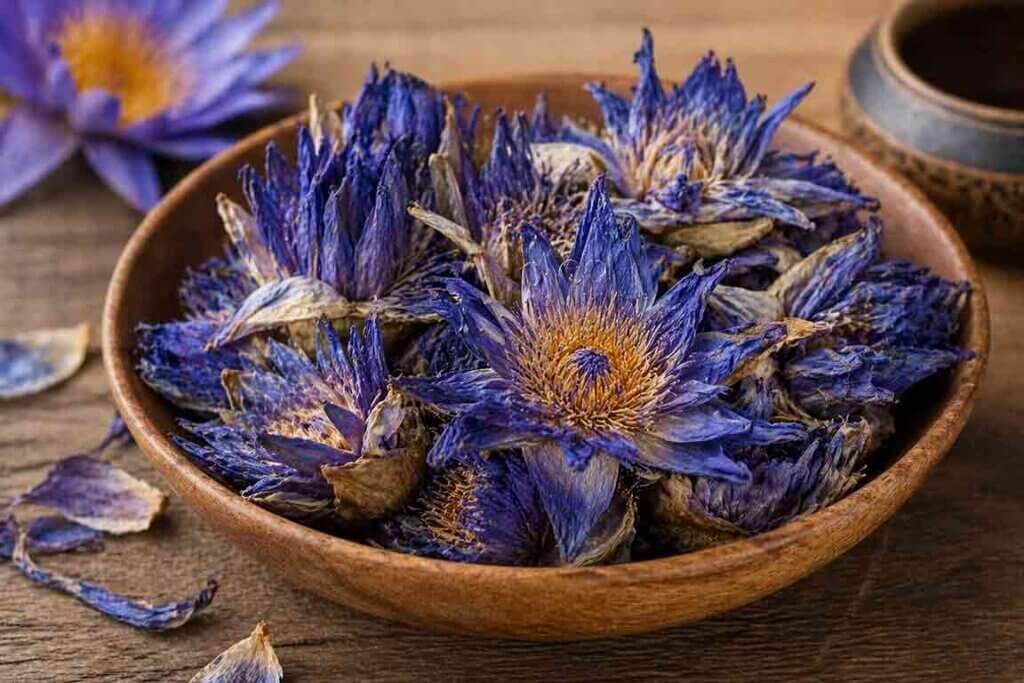
If you have been exploring natural wellness products lately, chances are you have stumbled across blue lotus in one form or another. Maybe you saw a blue lotus tincture on an herbal supplement shelf, or perhaps a friend brewed some blue lotus tea and raved about how calm and clear-headed it made them feel. Whatever brought you here, this guide is going to walk you through everything you need to know about the three most popular forms of blue lotus: tincture, tea, and raw flower. By the end, you will know exactly which form suits your lifestyle, budget, and wellness goals.
What Is Blue Lotus and Why Is Everyone Talking About It?
Blue lotus, scientifically known as Nymphaea caerulea, is an aquatic flowering plant that has been used for thousands of years. Ancient Egyptians depicted it in temple carvings and used it in ceremonial and spiritual practices. The plant contains two primary active compounds: nuciferine and apomorphine. These compounds interact with dopamine and serotonin receptors in the brain, which is why users often report feelings of mild euphoria, relaxation, and mental clarity.
Today, blue lotus is experiencing a major renaissance in the wellness community. It is not classified as a controlled substance in most countries, making it widely accessible. However, the three forms it comes in, which are tincture, tea, and raw flower, each offer a very different user experience. Understanding those differences is the key to making a smart purchase.
Blue Lotus Tincture: What It Is and How It Works
A blue lotus tincture is a concentrated liquid extract made by soaking blue lotus flowers in a solvent, usually alcohol or vegetable glycerin, for an extended period. This process pulls the active compounds out of the plant material and suspends them in liquid form. The result is a potent, fast-acting product that you typically consume in small doses, often measured in drops or milliliters.
How Do You Take a Blue Lotus Tincture?
Most people take blue lotus tincture sublingually, meaning they place a few drops under the tongue and hold it there for about 30 to 60 seconds before swallowing. This method allows the active compounds to absorb directly into the bloodstream through the mucous membranes, bypassing the digestive system. The effects tend to come on faster than tea, usually within 15 to 30 minutes. Some users also add tincture drops to a glass of water or juice if the taste is too strong.
Pros of Blue Lotus Tincture
The biggest advantage of a blue lotus tincture is its potency and consistency. Because the extraction process is controlled, a good-quality tincture delivers a reliable dose every single time. You do not have to worry about whether your flowers were steeped long enough or whether the water was hot enough. You also get a much longer shelf life compared to dried flower, often two to five years when stored properly in a dark, cool place.
Tinctures are also incredibly convenient for on-the-go use. A small glass dropper bottle fits easily in a bag or pocket, and there is no brewing required. For someone with a busy schedule who still wants the calming benefits of blue lotus, a tincture is arguably the most practical choice.
Cons of Blue Lotus Tincture
The downside is the cost. A quality blue lotus tincture is almost always more expensive per unit than raw flower or loose-leaf tea. The extraction process takes time and requires high-quality starting material. Additionally, some people are sensitive to alcohol-based tinctures, in which case a glycerin-based version is a better option, though glycerin tinctures are generally considered slightly less potent.
Blue Lotus Tea: A Gentle and Ceremonial Experience
Blue lotus tea is exactly what it sounds like. You take dried blue lotus petals or a pre-made tea blend, steep them in hot water, and drink the resulting infusion. This is one of the oldest and most traditional ways to consume the plant, and it remains popular today because of its ritualistic quality and gentle onset.
How Do You Brew Blue Lotus Tea?
To brew a proper cup of blue lotus tea, you typically use about one to three grams of dried flowers per cup of water. The water should be hot but not boiling, around 170 to 185 degrees Fahrenheit, since boiling water can degrade some of the delicate compounds. You steep the flowers for 10 to 15 minutes, strain, and then sip slowly. Many people add honey, lemon, or other herbs like lavender or chamomile to enhance the flavor and the experience.
Pros of Blue Lotus Tea
Blue lotus tea is the most affordable entry point into the world of blue lotus. A small bag of dried flowers can last quite a while if you are using moderate amounts per session. It is also the most beginner-friendly option because the effects are generally mild and gradual, which gives new users time to assess how the plant affects them before consuming more.
There is also something deeply calming about the act of brewing tea itself. The ritual of heating water, measuring flowers, waiting, and sipping slowly can enhance the overall relaxing experience. Many wellness enthusiasts find that the ceremony around the tea contributes to its effectiveness as a stress-relief tool.
Cons of Blue Lotus Tea
The main drawback of blue lotus tea is that it is the least potent of the three forms. The hot water extraction method does pull out some active compounds, but it is not as efficient as an alcohol extraction. This means you may need to use more plant material to achieve the desired effect, which can offset the cost savings. The effects also take longer to kick in, sometimes 30 to 60 minutes, and they tend to be subtler overall.
Blue Lotus Flower: The Raw and Versatile Option
When people talk about buying blue lotus flower, they usually mean dried whole flowers or loose petals that have not been processed into a tincture or pre-packaged tea. This is essentially the raw ingredient, and it gives you the most flexibility of all three options.
What Can You Do With Blue Lotus Flower?
The raw flower is the most versatile form of blue lotus because you can use it in multiple ways. You can brew it as tea, roll it into herbal smoking blends, infuse it into wine or oil, add it to bath water for topical relaxation, or even use it as a decorative element in wellness spaces. Some crafty buyers purchase raw flower so they can make their own tinctures at home, which can be a cost-effective long-term strategy.
Pros of Blue Lotus Raw Flower
Buying in bulk raw flower is typically the cheapest way to bring blue lotus into your routine, especially if you purchase from a reputable wholesale or specialty herbal supplier. You also get more control over the quality of your preparation because you are working directly with the plant. Experienced herbal enthusiasts often prefer raw flower for this reason.
Another major advantage is the aesthetic and sensory experience. Blue lotus flowers are genuinely beautiful, and having them on hand adds a certain intentionality to your wellness practice. If you are someone who values the visual and tactile aspects of herbalism, raw flower delivers something that a dropper bottle simply cannot.
Cons of Blue Lotus Raw Flower
Raw flower does require more effort and knowledge to use effectively. If you are not experienced with herbal preparation, you might end up with an inconsistent experience from batch to batch. The flower also has a shorter shelf life than tincture when stored improperly, and flower quality can vary significantly between suppliers. Always look for flowers that are vibrant in color, free from mold or excessive dust, and sourced from reputable growers.
Blue Lotus Tincture vs. Tea vs. Flower: A Direct Comparison
Which Form Has the Strongest Effects?
If potency is your primary concern, the blue lotus tincture wins. The alcohol-based extraction process is far more efficient at pulling out nuciferine and apomorphine than hot water steeping. If you are looking for a noticeable and consistent effect, tincture is your best bet. Raw flower prepared as a concentrated infusion or smoked comes in second, while standard tea tends to produce the mildest results.
Which Form Is Best for Beginners?
For someone just starting out with blue lotus, tea is the safest and most forgiving option. The effects are gentle and slow to build, which makes it easy to gauge your personal sensitivity without overdoing it. Once you have a sense of how blue lotus affects you, you can gradually explore tincture or experiment with raw flower.
Which Form Is Most Cost-Effective?
When buying in bulk, raw flower offers the best value for money, assuming you know how to use it well. Pre-made tinctures carry a premium for the convenience and extraction quality. Tea sits somewhere in the middle, though the cost per session can creep up if you need to use larger amounts to feel the effects.
Which Form Is Best for Convenience?
Tincture is unquestionably the most convenient form. No preparation required, no equipment needed, and the shelf life is long. Just carry your dropper bottle and you are ready wherever life takes you.
Which Form Has the Best Ritual Experience?
For those who value the ceremonial side of herbalism, blue lotus tea or raw flower creates a richer, more immersive experience. There is something meaningful about working with the plant in its most natural state, and many users find that the preparation process itself contributes to the calming outcome.
What to Look for When Buying Any Form of Blue Lotus
Regardless of which form you choose, quality matters enormously with blue lotus. The market is flooded with low-grade products that use inferior plant material, fillers, or underdisclosed extraction methods. Here is what to look for across all three forms.
Lab Testing and Transparency
Always prioritize brands that provide third-party lab testing. A Certificate of Analysis (COA) should confirm that the product is free from heavy metals, pesticides, and microbial contamination. This is especially important for tinctures, where you want to know the alcohol percentage and the concentration of active compounds.
Sourcing and Origin
High-quality blue lotus is typically grown in Egypt, Thailand, or India, where the plant thrives naturally. Reputable suppliers will disclose where their flower was sourced and how it was harvested. Avoid products with vague or missing sourcing information.
Packaging and Storage
Blue lotus is sensitive to light and moisture. Quality products should come in amber glass bottles for tinctures or sealed, airtight packaging for dried flower and tea. Poor packaging is often a sign of a corner-cutting manufacturer.
Who Should Choose What: A Practical Buyer’s Guide
If you are a busy professional who wants daily stress relief without any fuss, go with a tincture. If you are a wellness enthusiast who enjoys the ritual of herbal preparation and wants a gentle, social experience, blue lotus tea is your match. If you are an experienced herbalist or someone who wants maximum flexibility and value, raw flower gives you the most to work with.
Are There Any Side Effects or Safety Considerations?
Blue lotus is generally considered safe for healthy adults when used in moderate amounts. However, because it interacts with dopamine receptors, it can cause mild sedation, especially in higher doses. Avoid combining blue lotus with alcohol, benzodiazepines, or other sedative substances. Pregnant and breastfeeding individuals should avoid it entirely. If you are taking prescription medications, consult with a healthcare provider before adding blue lotus to your routine.
Where to Buy Blue Lotus Tincture, Tea, and Flower
Blue lotus products are available through specialty herbal retailers, online wellness shops, and some natural food stores. When shopping online, read customer reviews carefully, look for transparent sourcing information, and only purchase from brands that share lab testing documentation. Avoid suspiciously cheap products, as low pricing is often a red flag for poor quality or adulterated plant material.
Conclusion: Finding the Right Blue Lotus Form for You
Choosing between a blue lotus tincture, tea, or raw flower is not really about which one is objectively best. It is about which one fits your goals, your experience level, and your lifestyle. Tinctures deliver potency and convenience. Tea offers a gentle, ritualistic experience that is perfect for beginners. Raw flower gives experienced users maximum flexibility and the deepest connection to the plant itself.
Whatever form you choose, prioritize quality above all else. Blue lotus has thousands of years of traditional use behind it, and when you source it responsibly and use it mindfully, it can be a genuinely meaningful addition to your wellness routine. Take your time, start slow, do your research, and enjoy the journey into one of the most fascinating botanicals the ancient world left us.
Frequently Asked Questions
Q1: What is the difference between blue lotus tincture and blue lotus tea?
Blue lotus tincture is a concentrated alcohol or glycerin extract that delivers faster, stronger effects, while blue lotus tea is a milder, water-based infusion that works more gradually and suits beginners better.
Q2: Is blue lotus legal to buy and use?
Yes, blue lotus is legal in most countries, including the United States, and is not classified as a controlled substance. However, regulations can vary by region, so it is always worth checking your local laws before purchasing.
Q3: How long does it take for blue lotus to work?
A tincture taken sublingually typically kicks in within 15 to 30 minutes, while blue lotus tea can take anywhere from 30 to 60 minutes depending on your metabolism and the strength of the brew.
Q4: Can you use blue lotus raw flower to make your own tincture at home?
Yes, raw blue lotus flower can be soaked in high-proof alcohol for several weeks to create a homemade tincture, making it a cost-effective option for experienced herbal enthusiasts who prefer a DIY approach.
Q5: Which form of blue lotus is best for beginners?
Blue lotus tea is the best starting point for beginners because the effects are gentle, gradual, and easy to control, giving new users a safe way to explore how the plant affects them personally.