
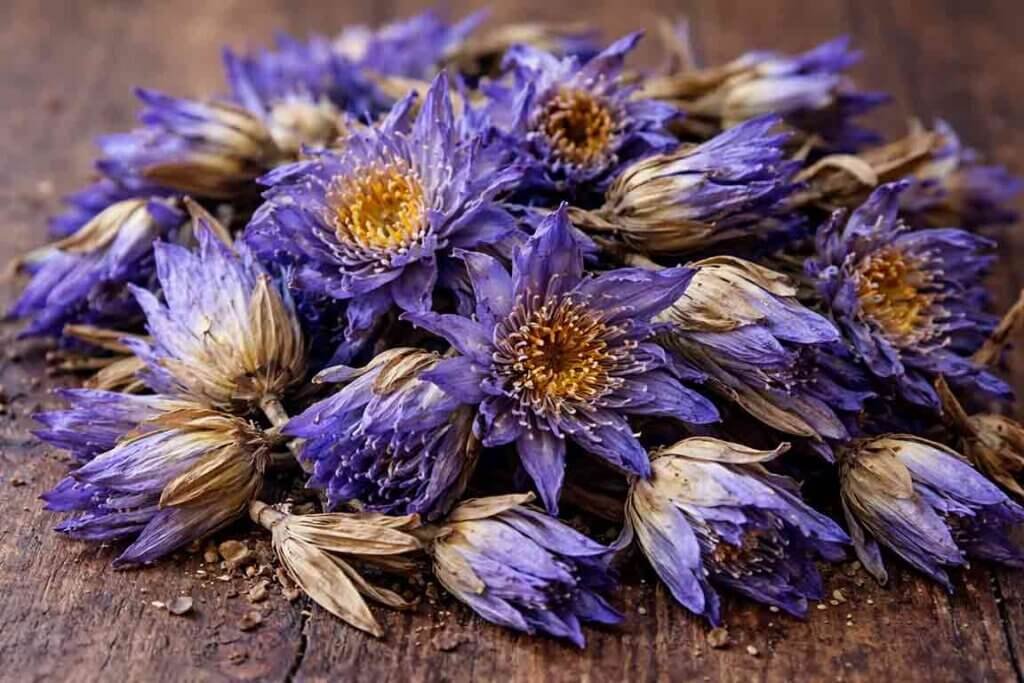
If you have recently discovered the world of blue lotus and you are trying to figure out which form to buy, you are definitely not alone. The blue lotus flower, scientifically known as Nymphaea caerulea, has been used for thousands of years in ancient Egyptian culture and is now making a massive comeback in modern wellness circles. Whether you want to use it for relaxation, vivid dreams, meditation, or simply for its mood-enhancing properties, the form you choose can genuinely make a difference in your experience and your wallet.
So let us break this down in a clear, honest, and practical way. Should you go with whole petals, crushed petals, or blue lotus powder? Each form has its own strengths, weaknesses, and ideal use cases. By the end of this article, you will know exactly which one fits your lifestyle and budget.
What Is Blue Lotus and Why Does the Form Matter?
Before we dive into comparing the three forms, it helps to understand what makes blue lotus special in the first place. The flower contains two primary active compounds: nuciferine and aporphine. These compounds interact with dopamine receptors in the brain, which is why people report feelings of calm euphoria, light sedation, and sometimes more vivid and lucid dreams after consuming blue lotus.
Now, here is the thing. The form in which you consume blue lotus directly affects how efficiently these compounds are delivered to your body. The processing method, the surface area exposed during preparation, and even the storage conditions all play a role in potency. This is why choosing between whole petals, crushed petals, and powder is not just about preference. It is about getting actual value for your money.
What Are Whole Blue Lotus Petals?
Whole blue lotus petals are exactly what they sound like: the dried petals of the Nymphaea caerulea flower, kept as intact as possible after the drying process. They are the least processed form you can buy, which appeals to people who prefer a more natural, traditional approach to herbal use.
How Are Whole Petals Used?
Whole petals are most commonly steeped as a tea, soaked in wine to create blue lotus wine (a practice dating back to ancient Egypt), or sometimes used in aromatherapy and ritual settings. When you steep them in hot water, the active compounds slowly infuse into the liquid. Some people also use them in smoking blends, though this is a matter of personal preference and should be approached with caution.
What Are the Pros of Whole Petals?
The biggest advantage of whole petals is that they retain the full spectrum of the plant’s compounds because they have undergone minimal processing. Oxidation and heat during processing can degrade sensitive phytochemicals, so a less processed product theoretically preserves more of the natural goodness. Whole petals also look beautiful, which matters if you are using them for ceremonial purposes or decorative teas. Many users also feel more connected to the plant in its natural state, which can enhance the meditative or ritualistic aspects of blue lotus use.
What Are the Cons of Whole Petals?
Whole petals take longer to steep, and the extraction of active compounds into liquid or other mediums is often less efficient because the surface area in contact with the solvent is smaller. You typically need to steep them for a longer period, often 15 to 30 minutes, to get a decent infusion. They are also bulkier to store and can be trickier to dose consistently since petal sizes can vary. Per gram, whole petals tend to be slightly more expensive than crushed petals, though pricing depends heavily on the brand and supplier.
What Are Crushed Blue Lotus Petals?
Crushed blue lotus petals are simply whole petals that have been broken down into smaller pieces. They sit right in the middle of the spectrum between whole petals and powder. Think of it like the difference between whole leaf tea, broken leaf tea, and tea dust. Each stage of processing affects your brew differently.
How Are Crushed Petals Used?
Crushed petals are extremely versatile. They work well for teas, tinctures, and herbal smoking blends. Because the petals are broken into smaller fragments, there is more surface area exposed, which means the active compounds are released more readily and more quickly during preparation. Many herbalists and blue lotus enthusiasts prefer crushed petals precisely because they offer a balance between potency and ease of use.
What Are the Pros of Crushed Petals?
The main advantage is improved extraction efficiency. When you brew crushed petals as a tea, you typically get a stronger infusion in less time compared to whole petals. They are also easier to pack into a tea infuser or roll into a herbal blend. For people who are using blue lotus regularly and want a consistent, dependable experience, crushed petals are often the sweet spot. They are generally priced in the middle range, making them a solid value option.
What Are the Cons of Crushed Petals?
One concern is that the increased surface area also means the petals are slightly more vulnerable to oxidation and moisture during storage. If not stored in an airtight container away from light, crushed petals can degrade faster than whole petals. They can also be a bit messy to work with if you are not using a proper strainer or infuser.
What Is Blue Lotus Powder?
Blue lotus powder is the most processed of the three forms. The dried petals are ground into a fine powder, similar to how matcha is made from green tea leaves. This results in a product with the maximum possible surface area and the most concentrated, bioavailable delivery per serving in certain applications.
How Is Blue Lotus Powder Used?
Powder is incredibly versatile. You can mix it into smoothies, capsules, chocolates, teas, or even skin care formulations. Some people simply stir it into warm water or a non-dairy milk to create a calming, ceremonial-style drink. Because it dissolves more readily than petals or crushed pieces, it integrates easily into a wide range of preparations.
What Are the Pros of Blue Lotus Powder?
The most significant advantage of powder is convenience and bioavailability. When properly consumed, especially in a liquid, the body can absorb the active compounds more quickly because the plant material has already been broken down to its finest form. Powder is also easy to measure precisely, making dosing more consistent and predictable. For people who want to incorporate blue lotus into capsules for a no-fuss daily routine, powder is the obvious choice.
What Are the Cons of Blue Lotus Powder?
The primary concern with powder is quality control. Because it is the most processed form, it is also the easiest to adulterate. Unscrupulous suppliers can blend in lower-quality plant material or fillers, and it is very difficult for the consumer to detect this visually. Always buy blue lotus powder from reputable brands that provide third-party lab testing and certificates of analysis. Additionally, powder is the most susceptible to degradation from heat, moisture, and light, so proper storage in a cool, dark, airtight container is non-negotiable.
Which Form Is the Most Potent?
This is the question most people actually want answered. In terms of raw potency per unit of consumption, powder generally wins because of its superior surface area and extraction efficiency. However, potency is only valuable if the product is high quality to begin with. A premium batch of whole petals from a trusted supplier will outperform a low-quality powder from a random online vendor every single time.
Does Processing Affect Active Compounds?
Yes, it can. Excessive heat during the drying or grinding process can degrade nuciferine and aporphine to some extent. This is why cold-processed or low-temperature-dried blue lotus products tend to command higher prices, and often for good reason. When comparing products, always look for brands that are transparent about their processing methods.
Which Form Offers the Best Value for Money?
Value is not just about price per gram. It is about what you actually get out of the product relative to what you spend. Here is how each form stacks up from a value perspective.
Whole petals are ideal if you enjoy a ritualistic, slow-paced experience and you do not mind a longer steeping time. They are great for wine infusions and are generally trusted because they are visually verifiable as actual flower petals.
Crushed petals offer excellent value for everyday users. They brew faster, extract more efficiently, and are still visually identifiable as real plant material, which gives you some assurance about quality. For most people who are serious about blue lotus tea, crushed petals are the best bang for your buck.
Powder offers the best value if you want maximum convenience and are planning to use it in capsule form or smoothies. However, you must invest in a trustworthy brand to make sure you are getting real blue lotus and not something cut with filler ingredients.
How to Choose the Right Form Based on Your Lifestyle
Your personal lifestyle and consumption habits should drive your decision more than anything else.
If you are a tea lover who enjoys a mindful, intentional preparation ritual each morning or evening, whole petals or crushed petals will serve you beautifully. The act of steeping the petals, watching them unfurl in warm water, and sipping slowly is part of the experience.
If you are a busy professional who wants the benefits of blue lotus without the prep time, powder capsules are your friend. You can prepare a week’s worth of capsules in minutes and take them on the go.
If you are a wellness experimenter who likes adding adaptogens and botanicals to smoothies, lattes, or raw chocolate recipes, powder integrates effortlessly into your existing routine.
Storage Tips to Maximize Your Investment
Regardless of which form you choose, proper storage is essential to preserve potency and get the most out of your money. All forms of blue lotus should be stored in an airtight glass container, kept away from direct sunlight, and placed in a cool, dry location. Humidity is particularly damaging, especially to powder and crushed petals, which have more exposed surface area.
Do not store your blue lotus near spices or other strong-smelling botanicals, as the flower can absorb nearby aromas. Treated well, whole petals and crushed petals can maintain their quality for up to 12 to 18 months, while powder is best used within 6 to 12 months of purchase.
Red Flags to Watch Out for When Buying Blue Lotus
The blue lotus market, while growing, is still largely unregulated in many regions. This means the consumer has to do their own due diligence. Watch out for products with no country of origin listed, no lab testing documentation, excessively low prices that seem too good to be true, and vague or misleading product descriptions that do not specify the exact species (you want Nymphaea caerulea, not a substituted variety).
Always prioritize suppliers who are transparent, offer batch-specific lab results, and have verifiable customer reviews from real users. A slightly higher price from a trustworthy supplier is almost always worth it over a cheap product with unknown origins.
Whole Petals vs. Crushed Petals vs. Powder: The Verdict
So which form of blue lotus is actually worth your money? The honest answer depends on you. Crushed petals are the best all-around option for most people. They strike the ideal balance between potency, price, visual quality assurance, and ease of use. They brew efficiently, store reasonably well, and give you enough flexibility to use them in multiple ways.
Whole petals are worth it if you value authenticity, ritual, and a more traditional approach. They are also great as gifts or for special ceremonial uses.
Powder is worth it if convenience is your top priority and you are committed to sourcing it from a verified, lab-tested supplier.
No form is universally superior. The best one is the one that fits seamlessly into your life and comes from a supplier you can genuinely trust.
Conclusion
Blue lotus is a fascinating botanical with a rich history and a growing modern following, and the form you choose really does matter when it comes to your experience and the return on your investment. Whole petals, crushed petals, and powder each offer distinct advantages depending on how you plan to use them. Whole petals preserve the full beauty and integrity of the plant, crushed petals offer practical efficiency and versatility, and powder delivers convenience and precise dosing. By understanding what each form brings to the table, you can make a confident, informed decision that gives you real value for your money. Always prioritize quality, transparency, and third-party testing regardless of which form you choose, and you will be well on your way to a genuine and rewarding blue lotus experience.
Frequently Asked Questions
Q1: Which form of blue lotus is best for beginners?
Crushed petals are the best starting point for beginners. They are easy to brew as a tea, affordable, and allow you to experiment with dosing without committing to a heavily processed product.
Q2: Can I use blue lotus powder directly in water?
Yes, blue lotus powder can be stirred directly into warm water, herbal tea, or plant-based milk. It dissolves reasonably well and is one of the quickest ways to prepare and consume it.
Q3: Do whole petals lose potency over time?
Yes, all forms of blue lotus lose potency over time, but whole petals tend to hold up slightly longer than crushed petals or powder when stored properly in an airtight, dark, and cool environment.
Q4: Is blue lotus powder safe to put into capsules?
Yes, many users fill empty vegetable capsules with blue lotus powder for a convenient, no-taste option. Just make sure your powder comes from a reputable, lab-tested supplier before capsulating it.
Q5: Why is blue lotus powder sometimes cheaper than whole petals?
Powder is easier and cheaper to produce in bulk, and unfortunately easier to adulterate with fillers. If you find powder priced significantly lower than whole petals, treat that as a red flag and always verify lab testing before purchasing.