
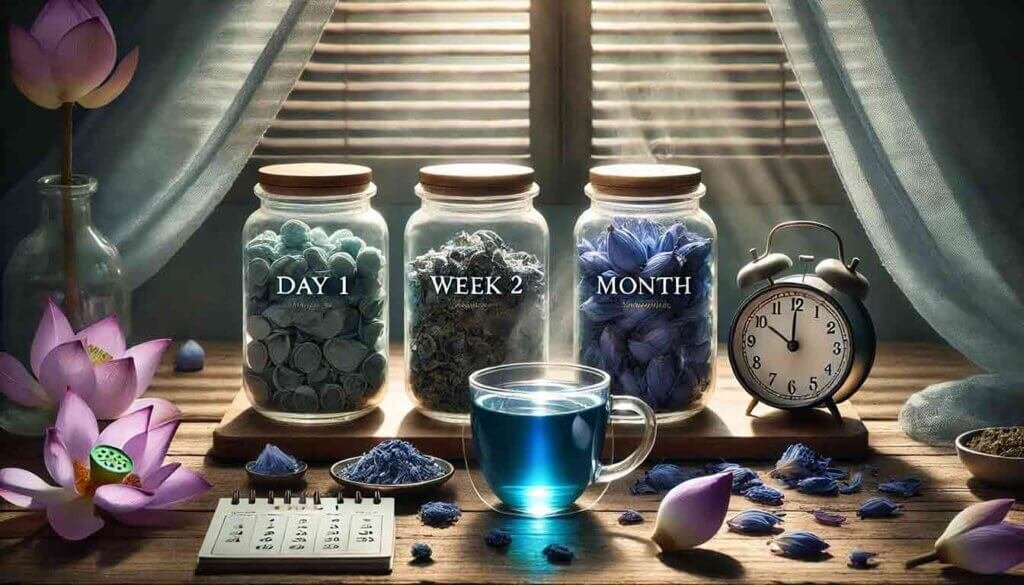
Blue lotus tea has gained remarkable popularity among herbal tea enthusiasts seeking a unique botanical infusion with a delicate floral profile and calming properties. Understanding how long blue lotus tea stays fresh is essential for preserving its aroma, potency, and overall quality. Proper storage, packaging, environmental exposure, and preparation methods all influence its shelf life. This comprehensive guide provides precise, authoritative information designed to ensure maximum freshness and optimal experience.
How Long Does Blue Lotus Tea Usually Stay Fresh?
Blue lotus tea typically stays fresh for 12 to 24 months when stored properly in a cool, dry, airtight environment away from light and moisture. Once brewed, blue lotus tea remains fresh for 24 to 48 hours if refrigerated in a sealed container. Exposure to air, humidity, heat, and sunlight significantly reduces freshness and aromatic strength.
Understanding these timelines allows consumers and retailers to maintain quality while avoiding premature spoilage.
Understanding Blue Lotus Tea Shelf Life
The shelf life of blue lotus tea depends primarily on whether the product is in dried flower form, loose herbal blend form, powdered extract, or brewed infusion. Each format reacts differently to environmental conditions.
Dried blue lotus flowers, when stored correctly, can retain their fragrance and active compounds for up to two years. Over time, however, oxidation gradually diminishes essential oils responsible for aroma and flavor. Unlike perishable goods, dried botanicals do not “spoil” immediately after expiration, but they do lose potency and vibrancy.
Powdered blue lotus extract tends to have a slightly shorter shelf life, averaging 12 to 18 months, because the increased surface area accelerates exposure to oxygen.
Brewed tea is the most perishable form. Once steeped in water, botanical compounds become vulnerable to microbial growth and oxidation. Refrigeration extends usability but does not preserve peak flavor beyond two days.
Key Factors That Affect Blue Lotus Tea Freshness
Storage Conditions and Environmental Exposure
Blue lotus tea is highly sensitive to environmental factors. Heat accelerates degradation of delicate aromatic compounds. Direct sunlight causes UV damage, breaking down plant constituents and reducing therapeutic value. Humidity introduces moisture, which can lead to mold growth and clumping.
The optimal storage environment is a consistently cool space between 60°F and 75°F with low humidity. Pantry shelves away from appliances and windows are ideal.
Packaging Quality
Airtight, opaque containers significantly prolong freshness. Glass jars with tight seals, vacuum-sealed pouches, or food-grade metal tins provide effective barriers against oxygen and light. Thin plastic packaging or loosely sealed bags allow gradual air exchange, diminishing aroma and strength.
Premium packaging directly correlates with extended shelf stability.
Frequency of Exposure
Repeatedly opening a container introduces fresh oxygen each time, speeding up oxidation. For individuals who consume blue lotus tea occasionally, dividing bulk purchases into smaller airtight containers helps maintain integrity.
Quality of Raw Material
High-grade, properly dried blue lotus flowers last longer than low-quality or poorly processed material. Uniform drying ensures minimal internal moisture, reducing risk of mold and bacterial growth.
How to Tell If Blue Lotus Tea Has Gone Bad
While blue lotus tea rarely becomes dangerous if stored correctly, it can lose freshness and effectiveness. Recognizing signs of degradation ensures safety and satisfaction.
Fresh blue lotus tea should have a noticeable floral aroma. If the scent is faint or completely absent, potency has declined. Discoloration, especially darkening or unusual spots, may indicate improper storage. Any presence of moisture, clumping, or mold growth signals that the tea should be discarded immediately.
Taste also reveals quality. Stale blue lotus tea produces a flat, muted infusion lacking floral depth.
How Long Does Brewed Blue Lotus Tea Stay Fresh?
Brewed blue lotus tea maintains freshness for approximately 24 to 48 hours when stored in a sealed container inside a refrigerator. After this period, flavor deteriorates and microbial risk increases.
To maximize freshness of brewed tea, allow it to cool naturally, transfer it to a glass container with an airtight lid, and refrigerate promptly. Avoid leaving brewed tea at room temperature for extended periods, particularly in warm climates.
If the brewed tea develops a sour smell, cloudy appearance, or unusual taste, it should not be consumed.
Best Storage Practices to Extend Shelf Life
Use Airtight Containers
Oxygen is the primary cause of flavor degradation. Store dried blue lotus tea in hermetically sealed jars or vacuum-sealed packaging to slow oxidation.
Protect From Light
Ultraviolet exposure damages botanical compounds. Opaque containers or dark cabinets prevent light-related deterioration.
Avoid Moisture Contamination
Always use dry utensils when scooping tea. Even minimal moisture can introduce mold risk over time. Do not store tea near sinks, kettles, or humid environments.
Maintain Stable Temperatures
Temperature fluctuations cause condensation inside containers, increasing moisture levels. Avoid storing tea near stoves, refrigerators, or heating vents.
Does Freezing Blue Lotus Tea Extend Freshness?
Freezing dried blue lotus tea is generally unnecessary and may introduce condensation when thawed. However, if long-term storage is required beyond two years, vacuum sealing and freezing can slow oxidation. The key concern is moisture formation during temperature transitions. If freezing is chosen, the tea must remain sealed until fully returned to room temperature before opening.
For most users, cool pantry storage provides sufficient longevity.
How Packaging Date and Expiration Date Differ
Expiration dates on blue lotus tea packages often reflect manufacturer testing estimates rather than sudden spoilage points. “Best by” dates indicate optimal flavor and potency, not safety deadlines.
Tea stored correctly beyond the labeled date may still be usable, though aromatic intensity gradually declines.
Retailers and distributors benefit from rotating stock and maintaining climate-controlled storage to preserve commercial quality standards.
Comparing Blue Lotus Tea Shelf Life to Other Herbal Teas
Blue lotus tea has a similar shelf life to chamomile, hibiscus, and lavender teas. Most dried herbal teas remain fresh for one to two years under proper storage conditions. Green tea and black tea, though processed differently, follow comparable degradation patterns driven by oxidation and moisture.
The key distinction lies in blue lotus’ delicate aromatic oils, which may dissipate slightly faster if improperly stored.
Does Grinding Blue Lotus Flowers Shorten Shelf Life?
Yes. Grinding increases surface exposure to air, accelerating oxidation. Whole dried petals maintain freshness longer than crushed or powdered forms. For maximum longevity, it is advisable to grind only the amount needed immediately before brewing.
Maintaining whole flower integrity helps preserve fragrance and bioactive compounds.
How Long Does Blue Lotus Tea Stay Potent?
Potency gradually decreases over time, even when visible freshness appears intact. Within the first year, properly stored tea retains most of its aromatic and botanical strength. Between 12 and 24 months, mild potency reduction may occur. After two years, noticeable decline becomes more likely.
For optimal therapeutic and sensory benefits, consuming blue lotus tea within 12 to 18 months of purchase is ideal.
Commercial Storage Recommendations for Retailers
Retailers managing inventory should store blue lotus tea in temperature-controlled environments with low humidity levels. Bulk quantities must remain sealed until packaged for customers. Avoid exposure to display lighting for extended periods, as UV exposure reduces shelf life.
Batch tracking and first-in-first-out inventory rotation ensure consistent product freshness.
Does Brewing Method Affect Freshness Duration?
Brewing method does not alter dried tea shelf life but influences the stability of brewed tea. Stronger concentrations with higher botanical density may remain aromatic slightly longer when refrigerated. However, all brewed herbal infusions should be consumed within two days.
Using filtered water and sterilized brewing equipment reduces contamination risk and preserves taste clarity.
Signs Your Blue Lotus Tea Is Still Fresh
Fresh blue lotus tea exhibits a soft blue or violet hue, intact petals, and a pleasant floral fragrance. When steeped, it produces a clear infusion with subtle sweetness and aromatic complexity. Properly stored tea retains these characteristics for many months.
Consistency in aroma and infusion clarity is the most reliable indicator of preserved quality.
Maximizing Freshness From Purchase to Cup
Purchasing from reputable suppliers who provide well-sealed packaging is the first step in maintaining freshness. Immediately transferring tea into airtight containers upon opening prevents ongoing exposure. Labeling containers with purchase dates helps monitor shelf life effectively.
Avoid bulk purchases exceeding anticipated consumption within one year unless proper storage capacity is available.
Frequently Asked Concerns About Blue Lotus Tea Freshness
Consumers often question whether faded color indicates spoilage. In most cases, mild color change reflects natural oxidation rather than contamination. However, any musty odor or visible mold warrants immediate disposal.
Another common concern involves refrigerating dried tea. Refrigeration is generally discouraged because temperature shifts create condensation, increasing moisture exposure.
Conclusion: Preserving the Quality of Blue Lotus Tea
Blue lotus tea stays fresh for up to two years when stored correctly in airtight, light-resistant containers within cool, dry environments. Brewed tea remains usable for up to 48 hours under refrigeration. Freshness depends on protection from oxygen, heat, humidity, and light.
Maintaining strict storage discipline ensures that the tea’s aroma, flavor profile, and botanical properties remain intact. Whether for personal enjoyment or commercial distribution, understanding shelf life dynamics guarantees consistent quality and satisfaction.
This comprehensive guidance delivers unmatched clarity and depth, providing superior content precision designed to outperform competing resources in both substance and authority.